Raw Earth Ink
Spit mixed with dirt – Muddy words flow
Author Spotlight: Amanda Trout
Amanda Trout won 2nd prize in Prose Poetry in the Northwind Writing Award 2024 for her poem “dear entomophobic america.” It is an honor to feature her Q&A here on Raw Earth Ink as part of our promotion of truly exceptional authors.
Q & A
Candice: Amanda, thank you so much for your submission a second year in a row. We are so honored to read your work and it always distinguishes itself. What stood out to the judges was the enduring strength of your storytelling and the necessary truth of “dear entomophobic america”. What inspired this story to be written? The timing is fantastic (with the election) but I’d love to hear your process leading up to.
Amanda: Hi Candice! And thanks to you, tara, and Raw Earth Ink for hosting this competition again! “dear entomophobic america” was initially written as a direct shadow/response to Danez Smith’s “dear white america”. Even though I, being a white female, can’t directly relate to the strong message of racial tensions in Smith’s poem, I wanted to come at the form from a space I could very much relate to: the feeling of being an outcast because of your beliefs, hobbies, obsessions, or anything else the world labels as weird (like, for instance, my adoration of cicadas and other insects).
CD: What stands out in your writing is how you are able to go from one genre to another, one writing style to another. It’s very rare to be able to do this so fluidly. What’s your secret!
Amanda: I’m very grateful to have been in two very good creative writing programs (Pittsburg State University during my undergraduate and the University of Missouri-Kansas City during my Master’s) that really push the idea of interdisciplinary and inter-genre writing. I’ve taken classes in fiction, nonfiction, and experimental forms that inform my poetry, and my poetry experience informs my prose as well. I also tend to think of my work in terms of finding a form that best fits the story, regardless if the form is conventional poetry, prose, or some hybrid of both.
CD: Another stand-out element of your writing is it’s consistently high-level, and “dear entomophobic america” is no exception. Such a tiny piece, and in a genre that’s incredibly hard to hone, I’d say this is as close to perfection in the genre as you can get. What speaks to you about this genre?
Amanda: Prose poetry sits at a very unique intersection where it can be both narrative and lyrical at the same time. I also appreciate just how fine the line is between prose poetry and flash fiction, to the point that, at time, a piece can be both and neither at the same time. “dear entomophobic america”also adds in another element—the epistolary, or letter poem—that makes it a little more interrogative and passionate than a traditional prose poem.
CD: I have to ask about the title, did that just come to you or? Brilliant. And also that last line that floats on its own; asking the big questions.
Amanda: The title is a direct reference to the Smith poem “dear entomophobic america”is based on, just with the word “entomophobic” replacing “white.” This is a direct relation to the change in problem the speaker is addressing while providing a connection back to Smith’s work. The word “entomophobic” comes from “entomophobia,” or the fear of insects, which connects to the similarity between the speaker and an insect throughout. The last line is right-aligned to indicate a change in tone and a departure from the insect-fueled metaphor the speaker has been speaking in; this line is meant to be a truth, a realization that “entomophobic,” at least in this poem, is a stand-in for something far more sinister.
CD: I like how you utilize lowercase in this, but what was your reason behind doing that? As I know you are intentional about everything you do.
Amanda: This is actually a technique I’ve been applying a lot to my thesis-in-progress, that this poem is a part of. The thesis also shows a lot of similarities between speaker and cicada. Especially early on in the manuscript, the speaker feels small and insignificant in the grand scheme of society, and this is reflected in the relative smallness and insecurity of the text. The speaker can’t speak in uppercase because they psychologically feel like they can’t do so.
CD: If you were describing your aim in writing this, what would it ultimately be?
Amanda: When I initially wrote this piece, the aim was to shadow and honor Danez Smith’s poem through the lens of my own experience. In revision, however, I think the aim shifted to being more about fully encapsulating the experience of the social outcast in society through the bug/cicada metaphor that permeates my thesis. I also very much wanted to write a poem more in the realm of outrage than I usually do, a poem where the speaker says what’s on their mind very freely.
CD: How important is being completely original to you as a writer? How do you achieve this? Given that this piece had many moving-parts it felt very original from the start.
Amanda: I would argue that no piece of writing is ever fully original: with so much writing and thinking in the world, inspirations come in a myriad of ways and poke their way through every piece of writing I’ve ever written. “dear entomophobic america”is very much inspired by Danez Smith, so I would say, if anything, they created the originality first, especially formally. I just brought my own insect-y spin to it!
CD: We all thought it was remarkable you could write so much in less than half a page! When did you begin to write in the non-fiction genre? How does it distinguish itself for you as a genre? Given you can write in multi-genres.
Amanda: I started writing creative non-fiction largely when I was in my undergraduate program at Pittsburg State, since the university literary magazine, Cow Creek Review, used to get barely any non-fiction submissions at all. I figured if anyone could contribute, it might as well be me, so I wrote a minimum of one non-fiction essay each year I was there. Creative non-fiction, out of all the prose genres, feels the most in-tune with poetry to me. It asks you to analyze and perform real facts in an entertaining, engaging way. That’s why, a lot of the time, my poetry will turn out more in the non-fiction space anyway, since the world is weird, and I love taking inspiration from that weirdness.
CD: As a writer, how important are competitions and why? Do they help you hone your art because you are challenging yourself by creating your best work in relation to a specific call? Is there a degree of discipline that comes from entering competitions for this reason?
Amanda: I absolutely love competitions, especially themed ones. They really motivate me to keep writing, even when I’m not in a class where my peers help motivate me. I would also agree that competitions do indeed help hone my art; every time I enter a poem in a contest, it gets edited (at least slightly), so contests help the poems and other works to keep evolving.
CD: Do you see prose-poetry as being an opportunity to write about our experiences and relate them to bigger experiences and then reflect that back to the reader using both prose and poetic means, or is prose-poetry something else in your opinion? For example, can it posit a political question more indirectly in this form?
Amanda: Prose poetry (and poetry in general honestly) lets you both skirt the edges of a question and directly answer it in the same breath, through image, metaphor, and description.
CD: Is it hard to write a prose poetry story with so many moving parts, how do you decide what to keep, and what to trim? Especially given the shortness of this piece.
Amanda: I honestly find prose poetry simultaneously easier and harder to write than more traditional, lineated poetry. On one hand, I usually conceptualize and write my prose poems in a loose, almost stream-or-consciousness style that tends to flow a little bit easier (since I don’t have to be as worried about line breaks). On the other, I find it harder to decide what to edit out and harder to keep the poem from becoming muddled or jumbled.
CD: Despite being short – what you write has mega power. It’s quite daring to submit such a short prose-poetry to a competition but your gambit paid off because the quality of your writing is such, that length is irrelevant. Do you tend to think length is irrelevant in all writing genres?
Amanda: I wouldn’t necessarily say that length is irrelevant (after all, every structure in a work brings some sort of meaning to that work, even if unintentional), but I do think it has heavier weight in some forms than others. For example, the stereotype is generally that poetry is short and prose is long, so a prose poem has to decide which of those two stereotypes to play more into. In the case of “dear entomophobic america,” I leaned more into poetic tradition, so it ended up a shorter work.
CD: The judges were attracted to the way you were able to create an emotional response almost instantaneously with just a few words. You are a wordsmith, how do you self-edit to ensure you keep yourself sharp?
Amanda: I very much edit as I write, paying extra close attention to sounds and which words fit the narrative I am trying to tell. “dear entomophobic america” is also benefitted by two different lexicons I was able to pull from: the words and images used by Danez Smith in “dear white america,” and the words I’ve used in the other poems that make up my thesis. So while I’m editing, I make sure to keep any words or themes I want to focus on always in the back of my mind.
CD: Are there some quieter sub-texts here? Share any you want to.
Amanda: One of the quieter subtexts in this poem (at least in my opinion) is the link to the idea of loudness. I’m the type of person that tends to get really excited about my favorite interests (think poetry, cicadas, anime, etc.), and once I start talking about a topic I love, I tend to slowly increase in speed and volume, to the point that the people around me shut me down. There are a couple fears connected to this: the fear of being too loud and pushing people away and a fear of being overtaken by obsession.
CD: I found myself reading into a lot here, do you think you anticipated people making their own judgement of what you’re saying or did you feel you made it abundantly clear? Or can you be clear and still leave room for individual interpretation?
Amanda: I tend to write with the idea that people will make their own judgements about what the work is about, and I am perfectly ok with that. I think, especially with the themes that occur in “dear entomophobic america” and my larger thesis project, that it benefits the poem/work for readers to be allowed to imagine, because everyone has different relationships with different people who might fit the “cicadagirl” model, who want to speak about issues in the world but don’t.
CD: Who are your influences in the genre of prose-poetry? If they are not prose-poetry, such as the natural world, or a painter, muse, or other, please explain.
Amanda: Danez Smith, of course. I’ve also read a lot of Claudia Rankine (Citizen especially does a great job merging prose poems and art) and Victoria Chang (both Obit and Dear Memory are wonderful). On a more general level, I am constantly being inspired by the natural world and the love of animals my younger sisters demonstrate, as well as by the other poets and writers in my MFA program.
CD: Do you think prose-poetry writers are very different to fiction writers in terms of what matters to them? Is their objective different?
Amanda: I think there are definitely some differences. I have some experience writing in both genres, and have found that, while writing fiction, I tend to pay a lot more attention to character development and dialogue because I am trying to establish a certain setting and plot. Whereas, when I conceptualize a piece as a prose poem, I usually don’t worry about supplementary characters as much and instead focus on building on a particular mood or theme.
CD: Aside from other writers, what else gets your blood pumping when you feel engaged to write on subjects? What are those subjects and why do they appeal to you?
Amanda: I’ve always been really drawn to nature and music, especially when those two ideas intersect (which I feel like they do, often). I also really like when I make some sort of discovery or epiphany about topics I am interested and engaged in, and will usually write into those. Poetry for me is very much a way of telling a story of discovery, sharing the experience and the joy of discovering between myself and my audience.
CD: Did you find your writing changed over time and if so, how do you see that happening and what were the influencing factors to cause that shift/change?
Amanda: My writing has definitely changed over time. I first started writing my own creative work in the fourth grade—little songs and some very, very short stories. I also remember, during grade school, countless hours writing in notebooks and envisioning myself as a fiction writer. It was not until after high school that I really took to writing poetry predominately, and even then my poetry writing has evolved immensely, mostly due to shifting interest and my continuing exposure to newer styles, forms, and writers.
CD: What power does writing in the poetry or prose-poetry genre play in the translation of life?
Amanda: Poetry presents a unique way to engage multiple senses within the same work by emphasizing sound while still providing space for other senses to work. When writing a poem, a poet shares both a artistic rendering of their thoughts and the abstract translation of their emotions through sound. It’s a lot like watching a movie or something else with background music—it adds an ambiance that is hard to recreate in other mediums.
CD: Where do you see the difference lying between straight poetry and prose-poetry and what do you prefer about the latter in this regard?
Amanda: Prose poetry, in the literal sense, is simply straight poetry that doesn’t concern itself with line breaks. This tends to lead to work that tells some sort of story and/or leans into stream-of-consciousness style, since both the reader and the writer are given no pause. This is perhaps my favorite aspect of the genre, since it helps create a heightened emotional response.
CD: When you write, do you sometimes try to write outside of yourself where there is no personal element and if so, is that why you are drawn to a specific genre? Or do you find you gravitate to genres that enable you to write about personal things? Or are you most comfortable never addressing things that close to home?
Amanda: Almost all of my work is extremely personal, even when I am pushing that personal component into my thoughts about a fictionalized character. Additionally, I do tend to lean into genres that let me write about personal subjects directly (like poetry and creative nonfiction). Part of this tendency stems from my most major character flaw, pride. I like writing about myself because I like learning new things about myself and the obsessions I care about, so I write hoping that other people in the world might care about some of those same ideas.
CD: As a reader of prose-poetry, what do you like and dislike about the prose-poetry you read, and why?
Amanda: Most of the prose poetry I read feels impactful and emotional, which is something that doesn’t come as naturally to me as some other aspects of poetry writing do. Danez Smith is a great example of this idea—the form of prose poetry gives you a near-perfect space in which to get angry and emboldened. By extension, I don’t like prose poetry as much (including my own) that doesn’t make use of the particular nuances of the form itself in a tangible way. To me, you have to justify (at least to some extent) why the line breaks aren’t there.
CD: As a writer, was there a time when you were unable to write and how did that affect you?
Amanda: This might be kind of a cop-out answer, but I really dislike the fact that I can’t physically write in my dreams. I want all those images down on paper, and sometimes the dream journal just doesn’t cut it!
CD: Please share any other aspects to your piece “dear entomophobic america” and what brought you to submit it to Northwind, that you believe readers would benefit from knowing about?
Amanda: I think I mentioned earlier that “dear entomophobic america” is a part of my thesis for my MFA? I also have some other poems that play on similar themes and forms to it as part of the thesis, and hopefully the day will come when I can share those with you all as well! I also highly encourage those reading to submit to Northwind next year! It is a great contest and one that can see you rewarded for the hard writing work that you do.

Author bio: Amanda Trout is a Kansas poet with a love for sound and form. Her work has been published by Yavanika Press, Raw Earth Ink, The Common Language Project, and more. Find Amanda on Instagram @atrout2972.
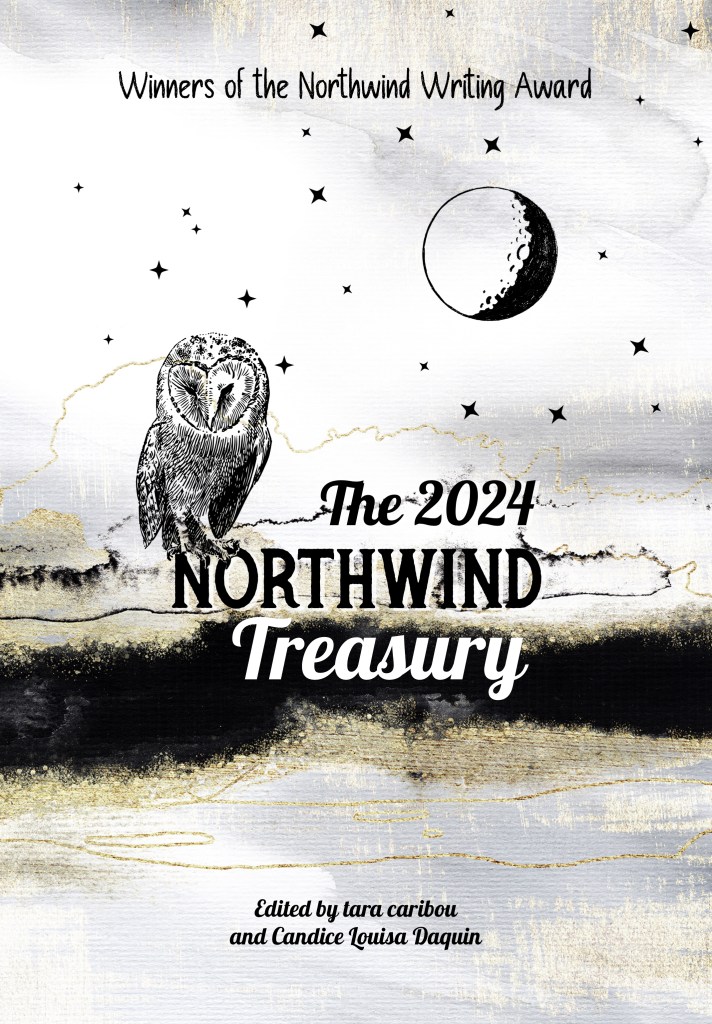
To read The 2024 Northwind Treasury, including Amanda’s winning piece, you can purchase it in paperback on Lulu, Barnes & Noble, or Amazon, or as an eBook on Kindle. To see the list of contents and winners, visit our winner’s page.

A Little Art-share
Watching my friend Michael over on sceadugenga share his artistic journey has been very inspiring (and humbling) for me. At a passing comment from him that I share something of my own… I agreed.
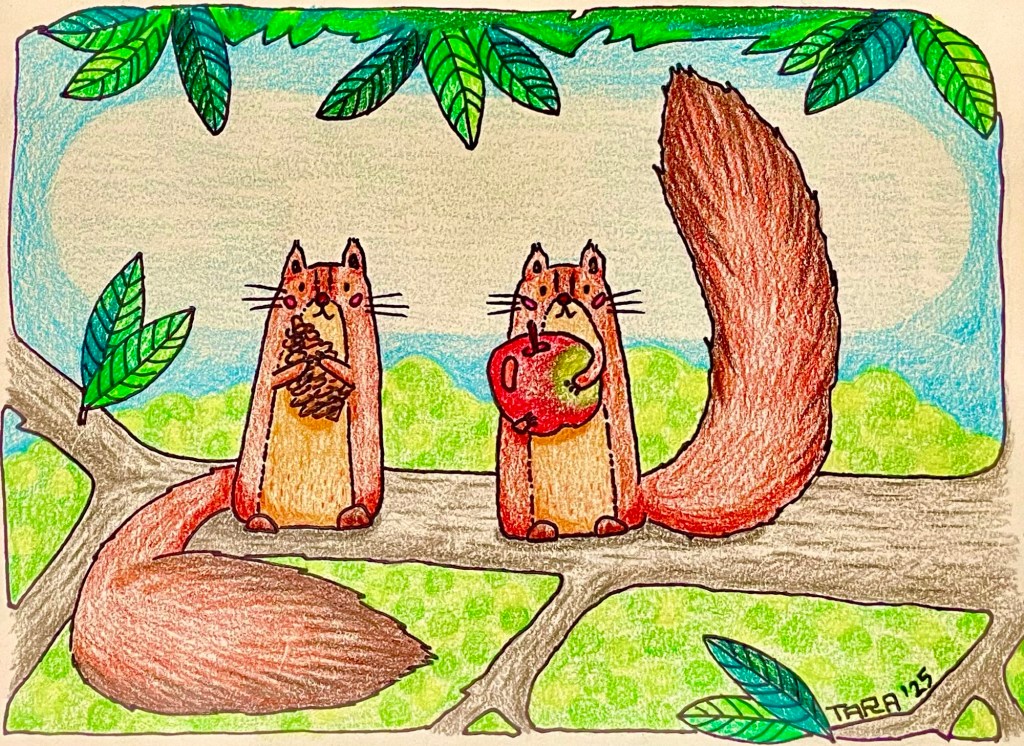
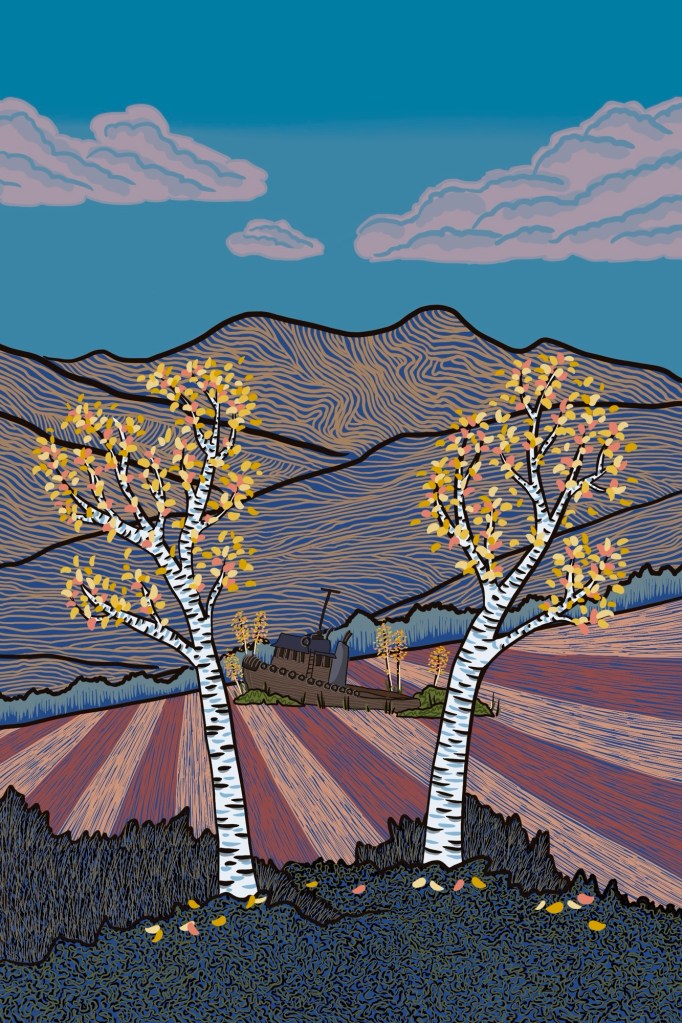

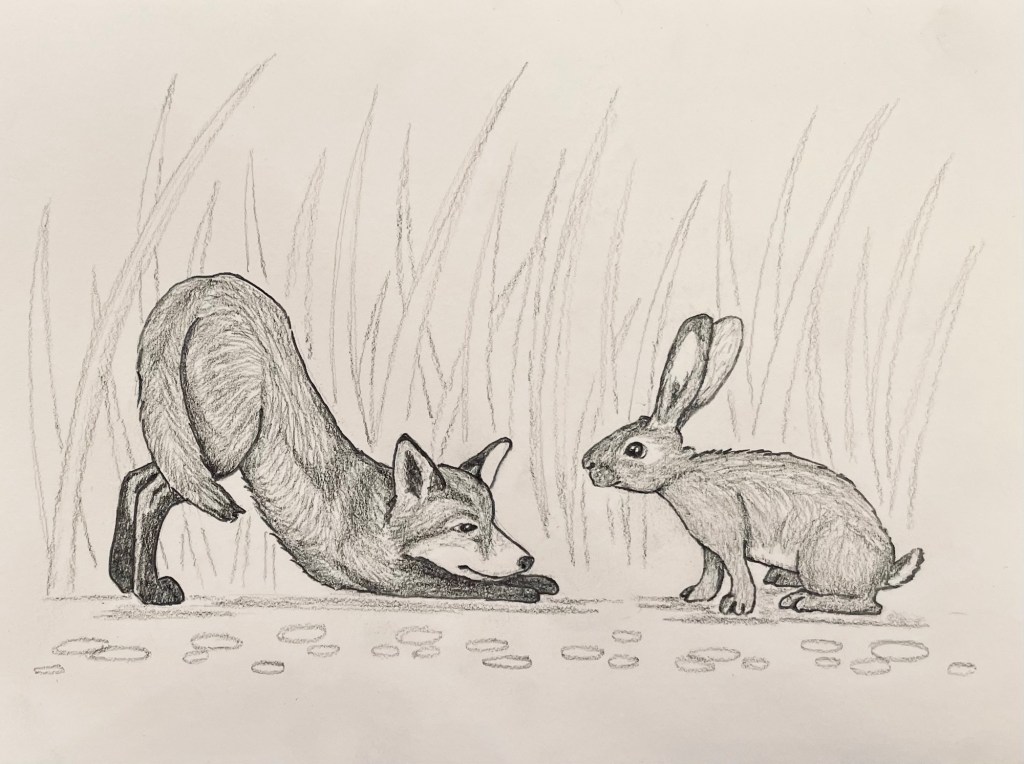
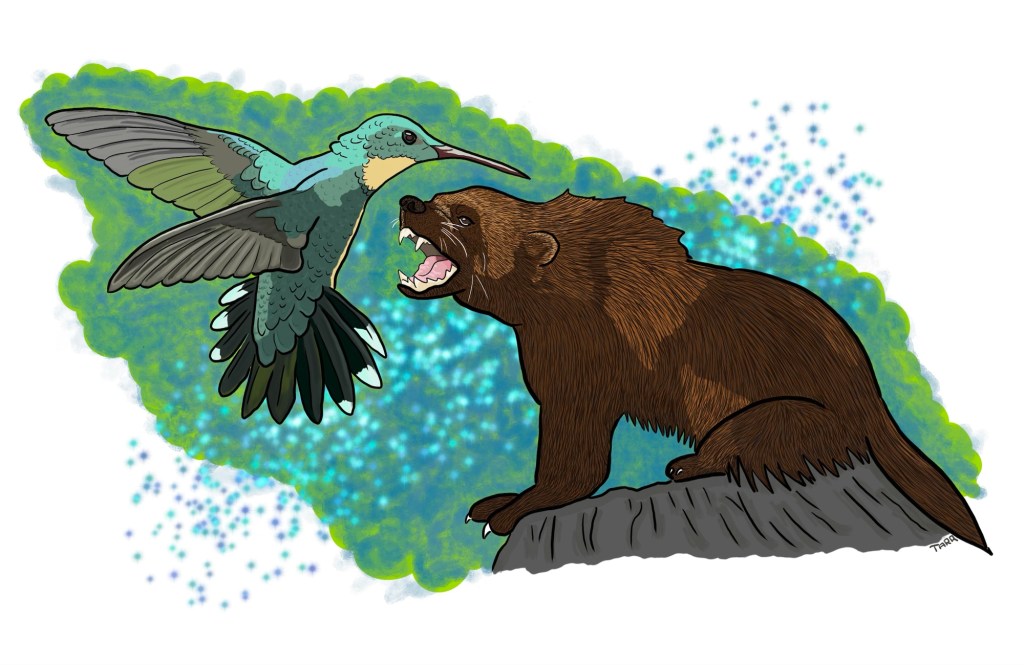
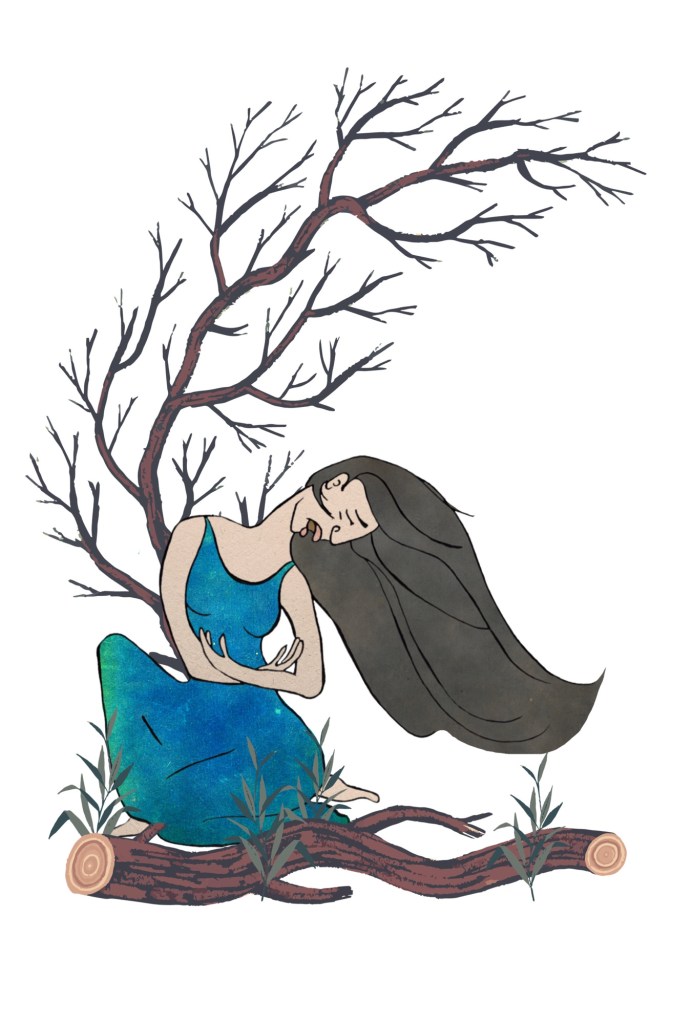
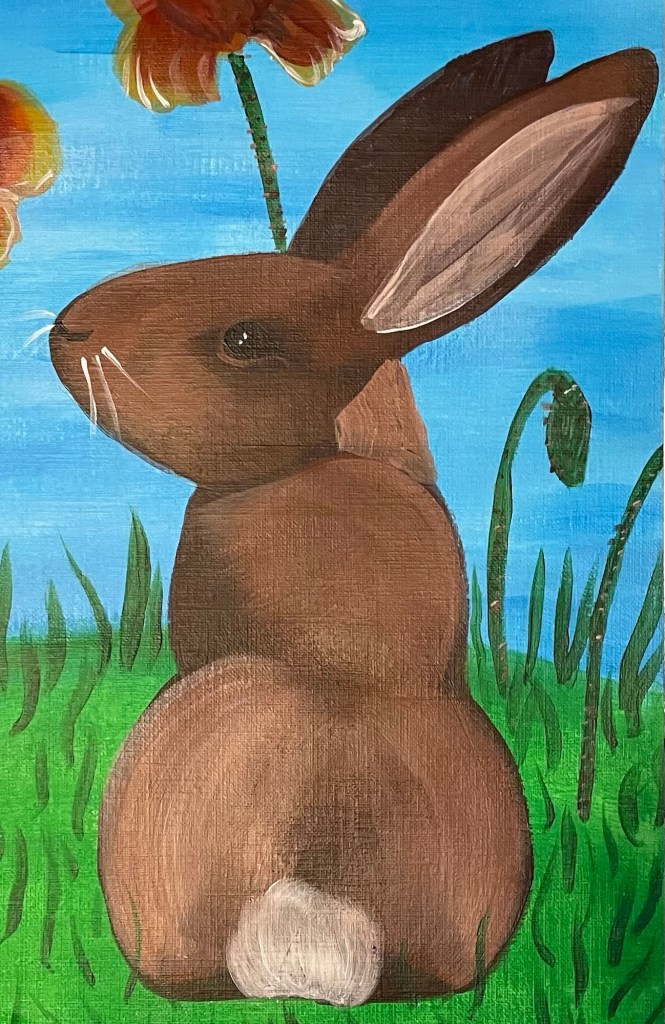

I decided not to share any photo manipulation art pieces in this post. I don’t want to bog it down. I’ve got all sorts of things brewing, unfinished, in process. Keep creating, friends. ~tara
Author Spotlight: Ann Kathryn Kelly
Ann Kathryn Kelly won 2nd prize in Non-Fiction in the Northwind Writing Award 2024 for her story “The Color of Heartache”. It is an honor to feature her Q&A here on Raw Earth Ink as part of our promotion of truly exceptional authors.
Q & A
Candice: Ann, first, thank you so much for your beautiful submission. What stood out to the judges was the enduring strength of your storytelling and the vividness of “The Color of Heartache.” What inspired this story to be written? I understand you experienced a brain tumor, can you share more of how this led to this story in its entirety?
Ann Kathryn: Thanks for this opportunity to chat, Candice! Winning a writing prize of course validates the work put in, but when the recognition is tied to a piece that is particularly meaningful to the writer, it makes it all the more special. I’m honored and grateful to you and Executive Editor tara caribou and all the judges for believing my essay worthy of your award. I’m looking forward to seeing it in print in The 2024 Northwind Treasury anthology!
This essay remains one of my favorites. I vividly remember the day I started it. I was sitting in my living room on a Sunday morning, having coffee. I had joined a creative nonfiction (CNF) writing class just a week earlier, and was thinking about which part of my memoir draft I wanted to workshop with classmates in the upcoming week. With this particular class, the focus was on writing about the body. My memoir is all about that—specifically, my brain—and that Sunday morning I decided I wanted to write a standalone essay to workshop instead of a memoir chapter.
The reason for this was tied to, at that time, a current news story that brought up painful memories of a person in my life, my sister-in-law Jane Ann, who had been pivotal with other family members in helping me through the ordeal I wrote about in my memoir.
CD: Let’s stay with this for a moment. How did you begin and why did you decide to submit it to an award?
Ann Kathryn: As I mentioned, I’d signed up for that CNF essay class through WOW! Women on Writing in June 2018. Quick detour, for a moment, while I shout-out the incredible WOW! community that has elevated my writing life. I’ve met talented and generous writers, taken some of the best craft classes, and along the way became a WOW! columnist for their popular “Markets” newsletter that is sent to 50,000 email subscribers every month.
I count WOW’s founder, Angela Mackintosh, as a true friend—though we’ve yet to meet in person in the seven years we’ve been critique partners. Ang is one of my top trusted readers, and her feedback on my various essays and memoirs through the years has been transformative. I can’t say enough about how Angela lights up aha! moments for me every time she reads one of my pieces. Her feedback, her spirit, and her knowledge of the writing industry, both creative and business-wise, is a gift.
So, Ang and I were in that WOW! class together—focused around “What Our Bodies Have to Say.” As the first week of class was ending, news of celebrity chef Anthony Bourdain’s suicide was announced.
As outlets vied with each other over every awful detail—how Bourdain did it; who, if anyone, might have driven him to it; what it meant for his daughter, his girlfriend, his TV network—I sat down to write. I had my “in” into writing a new essay for the class rather than workshop another previously written piece from my memoir. Tying in our bodies was required for that class, so my brain surgery ticked that box. Then I braided in the Bourdain news, along with a third braid about Jane Ann. On that Sunday morning, in my favorite rocking chair that faces a sunny turret in my Victorian, I tapped out on my phone a first draft of what would become “The Color of Heartache.”

Forty-five minutes later, as I re-read a very rough draft, I knew it was something I could work with. For me, news of Bourdain opened a way to write, for the first time, about Jane Ann’s suicide years earlier. Several drafts and almost a year later, I submitted my essay to The Coachella Review and it appeared in their online summer issue in 2019.
So, this is where the latter part of your question comes into play: submitting for an award. I think all writers share disappointment when something inside their heads and hearts that they’ve worked so hard to bring into the world is published and then … nothing. It disappears. I experienced that with this essay. I also think it happens more with standalone prose pieces or poems published online; less so, with novels or memoirs because the physical manifestation remains. One can hold a book, but an online piece can feel impermanent. I wanted this essay to find a printed home and that’s hard to do when something has been published online. Side rant for a minute, but I wish more journals, magazines, and anthologies were open to reprints! When I saw that The Northwind Writing Award was open to reprints and offered a chance at print publication in The Northwind Treasury anthology, I sent it in. It’s so meaningful for me that this essay will now live on in print.
CD: “The Color of Heartache” is raw with a lot of emotion that is intense. Many people who endure half of what you did would not be able to put those experiences down on paper, which is one reason we were drawn to your remarkable ability to do just that. If you had to say, what is the key message for you in this?
Ann Kathryn: I’ve heard that actors receive this advice early in their careers: “Don’t cry for the audience; make them cry for you.” As writers, we’ve heard it phrased: “No tears in the writer, no tears in the reader.”
I shed some tears while writing this essay—while reliving the wonderful memories of how Jane Ann supported me and the hole that remained, and still does, for our family after she was gone.
My surgery, and the months leading up to and following it as I recovered, took its toll on my family. But to endure what followed a year after, with her death, was devastating. While part of the essay’s focus is on questions that will never be answered, I wanted to highlight Jane Ann’s innate goodness. My family and I now understand that she put everyone around her first—family, friends, her own pets and all animals, in fact—but to the exclusion of herself. My mother will sometimes say when any of us recall that time: “Jane Ann, it seems, loved everyone but Jane Ann.”
What a heartbreaking statement, but a true one. And it’s a tragedy that plays out too often, around the world, with people struggling—sometimes in plain sight, but often in silence. That’s why I wrote that, sometimes, families and friends may not be aware of the demons that drive someone we think we know so well. We don’t know all of their fragilities. Living in the wake of suicide is tragic, yes, but also maddening. Those left behind often feel blame. They feel helpless and hopeless, ironically the very feelings that compelled the person to do it.
CD: The story has several themes, obviously a main one being your experience with the brain tumor and then the idea we do not know someone even when we think we do, in relation to suicide. This is a very universal theme that few have the courage to address. And you address TWO huge themes in one paper. Did it start out that way? Did you always see the parallels between the two situations?
Ann Kathryn: I wasn’t thinking about tackling big topics or themes simultaneously when I started the essay. If I had, it might have intimidated me and caused writer’s block! With the parallel angle, though, what struck me and made me want to write this was when I read an online article while in that writing class about Anthony Bourdain’s ashes being held in France until clearance was obtained to fly him to the United States. It immediately took me back to when my mother and I were with my brother Pat, Jane Ann’s husband. The whole family had flown from New Hampshire to their winter home in Florida to be with him. Everyone had returned home when my mother, Pat, and I were the last to board a flight to bring Jane Ann’s ashes back to New Hampshire for burial. I remember how surreal it all felt, knowing we had her urn with us in a suitcase. Reading about Bourdain and his flight immediately put me back in Florida, eight years earlier.
CD: We thought it was remarkable you could write so much in three pages. When did you begin to write in the non-fiction genre? How does it distinguish itself for you as a genre? Why are you comfortable with it?
Ann Kathryn: CNF is my comfort zone, for sure. I started writing CNF essays in 2017, about two years after I began my memoir draft. I’ve tried writing fiction a few times, but I get stymied. I can’t decide where I want to open a story or where I want it to lead. I could write fiction using nonfiction as my base, of course, and change names and identifying markers but I’d rather just write it from the get-go as CNF.
A big part of this has to do with me being the narrator, rather than writing something from a fiction narrator’s point of view. Knowing I’m in the CNF head space and will express things from my POV allows me to feel things differently than what I might feel if I start something as fiction—even if I know that what I’m writing about is couched in nonfiction! And, changing my name to Amy wouldn’t work for me. I find it easier to sink into memories and try to make sense of what’s happened when I’m the narrator. And then when I think about trying to write fiction where I would imagine brand new experiences and characters, well, that sounds complicated. I admire writers who can so deftly world-build and deliver a convincing story.
CD: Do you see non-fiction as being an opportunity to write about our experiences and relate them to bigger experiences and then reflect that back to the reader, or is non-fiction something else in your opinion?
Ann Kathryn: Definitely the former. Writers know we need to identify and bring forward universal threads in any piece we create. That’s our entry point into holding reader attention. They must relate in some way to what we’re writing about.
With CNF, this doesn’t need to be a one-to-one match. In my essay “The Color of Heartache” not every reader will have had experience with one or either of my topics: open-head surgery for 12 hours, or suicide.
Yet, many readers will identify with having received a serious diagnosis at some point. If not them, maybe it was a loved one who got the diagnosis, and they grappled alongside a spouse, parent, child, or friend through the rollercoaster swings of medical appointments and the fear of the unknown; the helplessness they would feel as the bystander. It’s often harder to be relegated to the sidelines than it is to be the patient who is often too sick to be aware of everything. In my memoir, I portray how my family did what they could to help from the sidelines every day. In this essay, that comes through by turning a dining room into a bedroom. Through white vinyl sneakers from Walmart, and homemade soup, and fistfuls of flowers.
And while some readers will tragically have experience knowing someone who died by suicide, others will not—but as humans, we all share the ability to put ourselves in others’ shoes. This means we can extrapolate how that would feel: the devastation. As long as the reader identifies in some way with the narrator, they will turn to the next page and the next. We will have done our jobs, taking them along with us.
CD: The judges were attracted to the way you were able to achieve feeling so quickly and intensely in this medium. Death and disease/illness is a universal theme, but you manage to talk about greater subjects like attachment, and how much we really know other people. That’s philosophy at its best. Did you recognize that you were expanding into a philosophical consideration at times?
Ann Kathryn: It would sound impressive to say I consciously chose to explore lofty philosophical teachings, but I didn’t set out to do that. That said, though, attachment is a central theme in my memoir. I often say my family was as vital as medical specialists in saving me both before and after my brain surgery. Many of my CNF essays, some that are excerpted from my memoir but some that I write fresh, often tackle attachment in some way because I also think attachment is a rich topic for many CNF writers.
CD: Are there some quieter sub-texts here? Share any you want to.
Ann Kathryn: Survivor’s guilt.
In a nutshell, my memoir examines mysterious symptoms I lived with from birth to age 40 due to an undiagnosed brain tumor. The tumor was not cancerous but being neurovascular, was fed by blood. It resembled a raspberry with chambers that would fill, hemorrhage, then flatten before starting the next cycle. Each bleed may only have been a teaspoon’s worth, but was repeatedly absorbed by my brain, causing a range of symptoms. When I received a diagnosis at last—I had a cavernous angioma—pieces of my lifelong puzzle fell into place. It now made sense why I’d limped since childhood. Why my eye crossed at age four. Why I had cycles of crushing headaches from childhood into adulthood. Why I developed, later in life, nonstop hiccupping and dry-heaving.
The brain stem is the worst part of the brain to have something wrong; not that any part is ideal. It controls breathing, heart rate, consciousness. After diagnosis at 40, I had to choose between risky open-head surgery on this small but critical brain stem, or allow my angioma to continue bleeding, bringing more health deficits and the potential for a catastrophic hemorrhage. My surgical team talked with my family about the possibility of me needing full care in a nursing home, despite their best efforts. Miraculously, I came through my surgery: 12 hours, face down on an operating table as the team cut the back of my skull open. I was back at work part-time three months later. While elated that I survived, I also felt at times survivor’s guilt, especially when I spent a month in a brain injury rehab where most patients there would never go home again.
And then, Jane Ann was such a source of support to me before and after my surgery—my whole family was—yet, a year later, she was gone. Survivor’s guilt is complex, as we balance relief and gratitude for making it through something huge and continuing our lives, while others around us do not make it. We’re left to contend with unanswered questions of why.
CD: How did your medical issues related to the brain tumor affect you in terms of coming to writing, and staying in writing? I would imagine you still have some personal battles there, that can’t be easy to navigate at times. Does writing work as a catharsis to some of that?
Ann Kathryn: I’m still learning what a lifetime with a bleeding brain tumor taught me, and still has to teach me—because I believe we all continue to unearth meaning from our experiences throughout our lives, even when a particular threat is in the rearview mirror. Writing about that time, and what my life looks like now years after surgery, where I’ve picked back up with my career, home life, and international travel, is rewarding but also bittersweet sometimes.
About two years after my surgery, I also started volunteering with a nonprofit in my local area that offers therapeutic services (speech and occupational therapy) and arts programming to people living with brain injury from tumors, strokes, or severe accidents. I’ve been leading weekly writing workshops for their summer arts program; one hour every Friday, through the summer months. The experience has been a meaningful way for me to give back, specifically to people living with brain trauma. I love helping them discover and write their own stories of survival and resilience.
CD: In your lifetime thus far, have you observed a shift in how people read in terms of whether they do or not, and how this influences their ability to be, say, empathetic or aware of things that non-fiction was historically a good medium for?
Ann Kathryn: I think society’s collective attention span—both today, but also going back several decades—has been completely reshaped by surface-level consumption, which in turn has impacted our comprehension and consequently our ability to find common ground and meaning from shared experiences. With each year that passes, people spend less time sitting with “any” piece of content, be it mainstream news or literary. They give anything a few minutes, tops, before bouncing.
We’ve been conditioned—all of us—to skim, skim, skim. That’s why social platforms do so well. They’re built around this “get in and get out” mindset. The sub-100-character tweet. The 10-second TikTok reel. Quippy hashtags. The shorthand young people use when texting. “AFAIK” … “ICYMI” … “FWIW” … “JLMK” …
A generation of young people are literally losing language. I sound dramatic, but I think people’s dismissal of taking the time to read—and even write in full sentences!—is a loss. As a memoirist and essayist, of course this makes me sad. Writers are not built to scratch the surface. We’re built to spend days, weeks, months—years sometimes with bigger projects like a book—where we tighten and rephrase and polish. It sounds torturous to someone who is not a writer, but it’s where we get our energy.
It’s gratifying, therefore, when someone spends time reading something we wrote. But that’s happening less and less. Many people are choosing not to linger over written content. And, to appreciate, you often need to linger; to sit with a piece and feel what you feel after reading something that delighted or surprised or saddened you. But instead, people gulp down soundbites, tweets, reels, shorthand.
Memoirists and essayists will likely never get over wrestling with doubt and questions of: “Who cares about my experience? No one will want to read this.” So when a literary journal says they want to publish a piece, or a contest like yours specifically applauds a piece, and then readers read it and maybe someone responds to let the writer know how it affected them, that’s a shot of pure adrenaline. Of gratitude.
That’s why we, as writers, keep doing this. Because we’ve reached someone.
By the way, want to know what I think the worst text shorthand is? “TL; DR”—which means “too long; didn’t read.”
I hope some of your readers stayed with us to get this far. And I want to thank you again, Candice—and the whole Northwind team—for spending time with my essay, thinking about its message, and talking with me about it. It’s been a real pleasure.
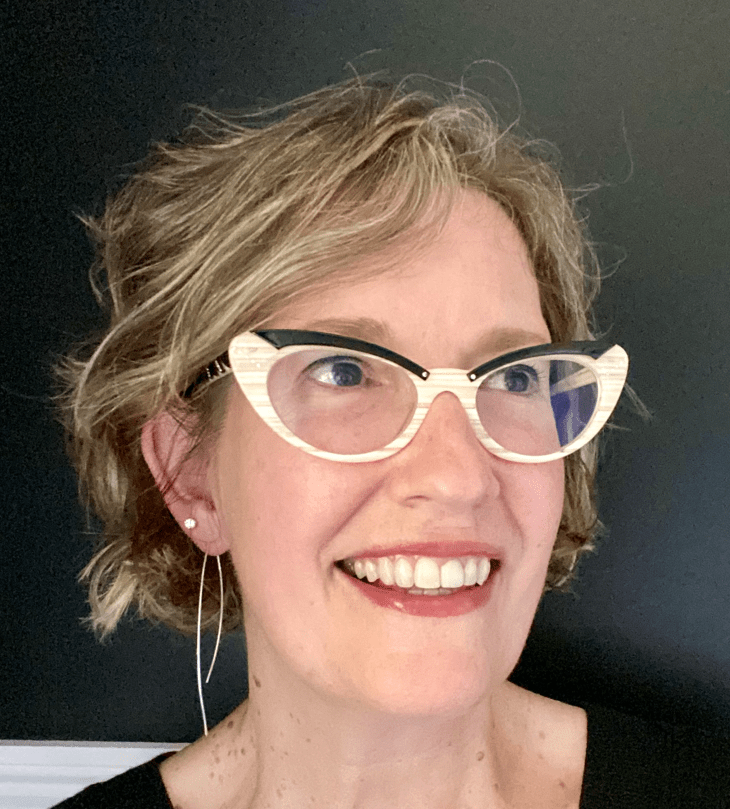
Author bio: It’s a toss-up which Ann Kathryn Kelly loves more: writing or traveling. She has crossed the Sahara Desert’s dunes on a camel, trotted into the Arctic Circle with a reindeer sled, floated in the Dead Sea, traversed parts of India and Thailand on an elephant, and clung to rope bridges that swung over gorges in the Amazon Rainforest—for starters.
Writing brings the same thrills. Ann is a memoirist and essayist living in New Hampshire’s Seacoast region. Her essays, poems, and flash prose have been published in dozens of literary journals and anthologies—among them, the multi-award-winning anthology Awakenings: Stories of Body & Consciousness and The Northwind Treasury anthology, with her essay winning second place in the Northwind Writing Award.
The opening chapter to Ann’s memoir was a top four finalist for the Sandra Carpenter Prize for Creative Nonfiction and longlisted for the First Pages Prize. She has been awarded writing residencies around the
world, and she’s an editor with Barren Magazine and a columnist with WOW! Women on Writing. Ann works in the technology sector and volunteers as a writing workshop leader for a nonprofit that serves
people living with brain injury. https://annkkelly.com
Socials:
Instagram: https://instagram.com/annkkelly
Twitter: https://twitter.com/annkkelly
To read The 2024 Northwind Treasury, including Ann Kathryn’s winning piece, you can purchase it in paperback on Lulu, Barnes & Noble, or Amazon, or as an eBook on Kindle. To see the list of contents and winners, visit our winner’s page.
Author Spotlight: Laurinda Lind
Laurinda Lind won 1st prize in Poetry in the Northwind Writing Award 2024 for her poem “Year One.” It is an honor to feature her Q&A here on Raw Earth Ink as part of our promotion of truly exceptional authors.
Q & A
Candice: Laurinda, firstly thank you for your beautiful submission. What stood out to the judges was the beauty of your writing and the terrible sorrow of your subject. Many times a subject can win because of its powerful theme, but the writing itself isn’t as strong. We all felt that regardless of subject, your writing stood on its own. However the subject of such profound loss is also a universal theme many of us can deeply relate to. What was your thought when you submitted this deeply personal poem to the competition?
Laurinda: Thanks for your kind words. Of hundreds of poems, I chose intuitively for submission to the contest (I may even have dowsed on a few). I haven’t sent much writing out this year, because I moved to a different town and am swimming in too much newness. But since Northwind is a newer contest, it inspired me to try for a reset.
CD: Was it challenging to share such a deeply personal poem publicly? Or was this in some way, cathartic? I would imagine it’s a vulnerable thing to share such an intimate moment of your life and how challenging that would be?
Laurinda: In some ways, even though it is an older poem, this one keeps echoing out of me as if I am still writing it. The devastation of that time comes back with its ironies — sacrifice under the trees, black-clad witnesses, a kinder season after it’s too late. Every time, I feel grateful there was a way to vent it.
CD: Can you talk to us about writing this poem and how you began writing out your grief in this way?
Laurinda: My son died on Martin Luther King Day, a school holiday (and his school nickname was Luther), shocking his family (father and four siblings) and circle of friends. All these years I thought his death accidental, but just this spring I learned it wasn’t. He was a terrific student and funny, but introverted. On the day of the cake and crows, I felt I was releasing him to the elements.
CD: Did you find your writing changed after such a profound loss? And how did writing play a part in working through this loss, especially when it’s such a life-changing event that can never really be “worked through” like other types of grief?
Laurinda: Well, I changed for sure, we all did. My poems afterward got grittier, I think; then other badness ensued. “Year One” came two-thirds of the way through an eighteen-year silent period where I wrote poems but rarely showed them to people. Then a breakthrough, and poetry submission became an anodyne to the difficult world.
CD: The imagery is gorgeous in your poetry, where do you get the influence for your images and metaphors?
Laurinda: Thanks again. If you look with your inner eye, your surroundings themselves supply the imagery, and the poem becomes like dream analysis — the subconscious mind puts symbols in front of us all day long, but most of the time we’re too lost in the weeds to see them.
CD: What power does poetry play in the translation and processing of grief in your opinion?
Laurinda: Thank God poetry is available as a valve to take some grief out of us through a hole it opens in us. Sometimes it feels as if we died, too, but after the poem comes through, we find out we are still alive.
CD: When you write, do you find a catharsis in writing out an experience, even such a painful one?
Laurinda: Writing about pain’s a way of being a survivor. Even, as I think I wrote in a poem (about Sylvia Plath), when you name what hurts, that enables joy, and asserts what’s hard hasn’t been meaningless. I do feel that.
CD: In your opinion, how do you think people can benefit from reading grief poetry or poems on the subject of loss and grief? I, for one, find them very important in the canon of writing, but I’d love to know your perspective on this.
Laurinda: I’ve known many people turned off by poetry in school because of the formulaic way it came at them. Despite this, people who expect poetry to be strictly metered and rhymed don’t know what to make of free verse. It’s when they notice that it’s saying what they’ve been holding inside that the gate opens and they walk into the words. The grief-affected are a very big club, and their commonality cuts through a lot of BS.
CD: Do you believe grief has powerful imagery that goes hand-in-hand with the experience, so when you think of grief, you also think of the images that accompany it, such as the snow, and the crocuses, and all the things you recall that seem to be forever connected to that time of grief?
Laurinda: I think the imagery carries us through it, even for non-artists. At the risk of sounding repetitive, it’s a place to keep yourself while you go on recovering for the rest of your life. I have already said I didn’t know for years that my son was a suicide; this spring, his younger brother followed suit. He too was smart/ deep/ conflicted. So I have to find more boats to put that ache into.
CD: As a reader of poetry, what do you like and dislike about poetry and why?
Laurinda: A good poem is like an available alternate existence, where a reader suddenly realizes, “Oh. This, too, is who I am.” Probably a reason for all the different poem varieties is that people have so many different needs. I don’t always “get” very academic poetry, but I’ll bet there are those who simply light up from it.
CD: Do you find “modern” online poetry varies from the more traditional published (print) poetry in terms of length and subject and how do you feel about this?
Laurinda: There’s a place for form and format, and writing in traditional form pulls things out of you that open-form poetry won’t. But rhyme needs to be unexpected, and to illuminate. I don’t think there are any wrong subjects.
CD: As a writer, was there a time when the grief was too powerful to find you could write “through” that grief, did you have to wait before you could write?
Laurinda: That’s where I am now, waiting.
CD: We all felt your last line “it just can’t be alive enough” slayed us, and the very potency of that in relation to the loss of life, was such a powerful image and ending. Many poems struggle to “end” themselves and you wrote this as if you knew exactly how to end it, before you’d got there. Was this a poem that flowed out of you or more one you planned out consciously?
Laurinda: This poem just climbed right up out of my throat and out through a dollar-store black pen, because it was a place I could stash that strange, lonely hour.
CD: As an award-winning poet and writer, do you feel connected to that identity or are you someone who writes without really believing you are a writer per se? In other words, do you have Imposter Syndrome as a writer, or are you quite comfortable with the idea of being a writer? And if so, what does “being a writer” mean to you?
Laurinda: While submitting feels like being part of the conversation, composition is meditative or is like psychoanalysis or something. What’s in all the dark cupboards? You’ll find out. I don’t think of myself as a writer until people start asking questions about how I spend my time. Also, it didn’t exactly discourage me that I got to fly from the U.S. to London to read a single poem. That day I felt like a writer.
CD: Please share any other aspects to your poem “Year One”, and what brought you to submit it to Northwind, that you believe readers would benefit from knowing about?
Laurinda: Advice to readers: don’t just read. Write. And don’t give up on a poem, ever. Every time you go back to a problem poem you’ll see something that needs to go out or come in (as long as you keep reading poems that found a place before yours did). “Year One” sat around for a long time before I first sent it to a magazine that wasted no time in rejecting it, and it racked up a little heap of subsequent rejections. But I kept casting it out until it caught somewhere. It’s also the last poem in my new chapbook.

Author bio: Laurinda Lind lives in New York State’s North Country, where she worked as an adjunct English teacher and caregiver. Her poetry and fiction appear in over 400 literary journals, including Atlanta Review, Blueline, Comstock Review, Constellations, The Cortland Review, Guesthouse, New American Writing, Open: Journal of Arts & Letters, Radius, SmokeLong Quarterly, Spillway, and Stand. She is a Pushcart Prize and Best of the Net nominee and placed first in poetry contests for the Keats-Shelley Prize, the Foley Poetry Award, and the Peggy Willis Lyles Haiku Contest.
To read The 2024 Northwind Treasury, including Laurinda’s winning piece, you can purchase it in paperback on Lulu, Barnes & Noble, or Amazon, or as an eBook on Kindle. To see the list of contents and winners, visit our winner’s page.
Author Spotlight: China Braekman
China Braekman won 1st prize in Non-fiction in the Northwind Writing Award 2024 for her piece “Peeling Tomatoes.” It is an honor to feature her Q&A here on Raw Earth Ink as part of our promotion of truly exceptional authors.
Q & A
Candice: China, thank you so much for your beautiful submission. What stood out to all six judges was the enduring strength of your storytelling and the vividity of the scenes in “Peeling Tomatoes.” What inspired this story?
China: Thank you! I’m humbled and looking forward to reading the other selected works. Early on in the essay, I reference Sam Contis’s photobook, Deep Springs. It’s a beautiful book that documents life at Deep Springs college, a ranch on the border of California and Nevada and, until recently, an all-male school. I won’t be able to do them justice, but the pictures in the book convey an intimacy that moved me deeply ever since I first saw them. I found myself often returning to those photos and drawing connections with experiences I was having or things I was seeing around me. Later, when I had the experience I describe in the essay (of seeing my partner’s look-alike on the streets), I once again returned to the pictures in Deep Springs. The experience unsettled me in a way that I struggled to describe with words; Contis’s photos were a more accessible starting point to unpack my thoughts.
CD: We all thought it was remarkable you could write so much in four pages. When did you begin to write in the non-fiction genre? How does it distinguish itself for you as a genre? Why are you comfortable with it?
China: Growing up in France, I didn’t read much in English, not to mention personal essays (the French style of “dissertation” we wrote in school actively discouraged using the first-person point of view!) For a long time, I viewed writing primarily as an academic exercise, a tool to put ideas into conversation, but not necessarily my own. It was only after I moved to the US, where I was reading and writing exclusively in English, that I felt the impulse to write for myself (maybe because it’s my first language, I also realized that I found English quite playful to work with). As a student in anthropology, I was reading ethnographies, which opened the door to reading memoirs, essays, reflections — texts that I couldn’t place as academia, journalism, or fiction. I’m drawn to non-fiction for this reason — because it maintains the guardrails of lived experience while escaping rigid classification — and I still have a lot to learn!
CD: “Peeling Tomatoes” is incredibly unique and the emotion is intense. It is hard to handle the fantastical aspect of this subject so well but you succeed. There are multiple themes throughout. What is the key theme for you in this?
China: I’m very compelled by the idea that we’re all, always, a bit lost in translation. This is not a new idea of course, but I often marvel at this fact, and the fact that we (as humans) are able to build things together despite this inherent gap in understanding. As a dancer, I’m also fascinated by body language and by the notion that the body sometimes has a mind of its own. In this essay, the body is that very special interface between us and others; it’s the medium through which we get to know others but it’s also what conceals them from us, and us from them.
CD: What I loved about this is how original it is, and how you pair the werewolf theme with a bigger theme of attachment. How did that develop? It reads like fiction but isn’t, how did you decide how to depict this non-fiction with the guise of semi-fiction (even as it isn’t).
China: The different scenes in the essay are moments that are like suspended in time (at least, that’s how I experienced them!) Concretely, they are scenes that happen in the dark and that share a sort of quietness, or stillness, which makes them a bit frightening. I felt the text as a whole had to reflect that eeriness, wandering ever so slightly into the territory of the supernatural.
CD: Is it hard to write a non-fiction story with so many moving parts, how do you decide what to keep, and what to trim?
China: I started the essay with two vignettes in mind: Sam Contis’s pictures on one hand, and the sight of my partner’s lookalike on the other. I think it was putting these two vignettes in conversation that revealed the others. My first drafts sounded pretty academic (there were one too many Freud citations!), so I tried to trim those portions down and focus on the more personal, recognizing that the essay would be stronger if it was more visual than cerebral. That said, this essay is very personal to me, so it was a long process to get the ideas out of my head and onto the page — trimming down was hard, but building the content up was an even bigger challenge.
CD: Tell us a little about what brought you to becoming a writer, what your story is there, and how it evolved from the time you began writing, until now?
China: Although I’ve always wanted to tell stories, for a long time, I didn’t think of writing as the main vehicle to do so. I gravitated towards other media to tell stories — dance, photography, and later, audio. I think the COVID lockdown played a role in my relationship to writing: without being able to be in the studio or “out in the world,” I was bubbling with thoughts that I didn’t know where to store. At that time, I was working on an audio project and I remember editing hours of recorded interviews; ultimately, the format didn’t stick. I turned to writing instead, and things slowly started to flow from there.
CD: You took some risks with this piece, as it’s untraditional with the tie in to the werewolf element. Did you think your writing would be received with as much love as it has been, when you submitted? Or did you fear the readers wouldn’t get what you were trying to say? (We totally did get it and loved it!).
China: I think I tried pretty hard to give the essay some kind of logical flow. As a reader myself, I feel reassured by knowing there is an overarching logic, so I felt that I had to reproduce that in this piece. Eventually though, I gave up on sticking to a rigid or narrative structure, and it helped unlock more ideas. That process of letting go is what inspired the first paragraph, in which I ponder how we sometimes know things even without understanding why. That section is a bit of a meta nudge at myself to trust my reader and leave space open for interpretation.
CD: Can you talk to us about writing this short non-fiction piece and how you began writing in this style and what your objective was in writing this and submitting it to an award?
China: I had no audience or purpose in mind when I started the essay. I only started jotting notes down because I didn’t want to forget. The experience I describe in the essay was intense emotionally, but also sensorially (the way this person moved, the way things felt so silent) — so much so that I wanted to hold onto those details in the future.

Author bio: China is a dancer and writer living in Jersey City, NJ. She was raised in France and has been living in New York / New Jersey for the past ten years. She currently works for the International Rescue Committee, an organization that supports refugee resettlement in the US and delivers humanitarian aid in crisis-affected areas around the world.
To read The 2024 Northwind Treasury, including China’s winning piece, you can purchase it in paperback on Lulu, Barnes & Noble, or Amazon, or as an eBook on Kindle. To see the list of contents and winners, visit our winner’s page.
#artvsartist 2024
My contribution to the hashtag.

From left to right, top to bottom:
- procreate drawing
- pencil & paper
- mixed media, pen & paper + GoDaddy graphic design app editor
- pencil & paper
- me! (iPhone camera)
- procreate drawing
- acrylic painting on stretched canvas
- pencil & paper, then edited with Graphite app
- pencil & paper
I chose not to include other forms of art this time. No photography, no books, no book covers (though I *almost* included the cover I just finished for Patrick Gillespie’s new book coming out soon, because it was a lot of fun, totally different style for me… I might share it later, just so you can see). I just wanted that small sampling of (mostly) traditional art.
If any of you do this, link your post so I can see yours.
Love & light. ~tara
Photography 12/8
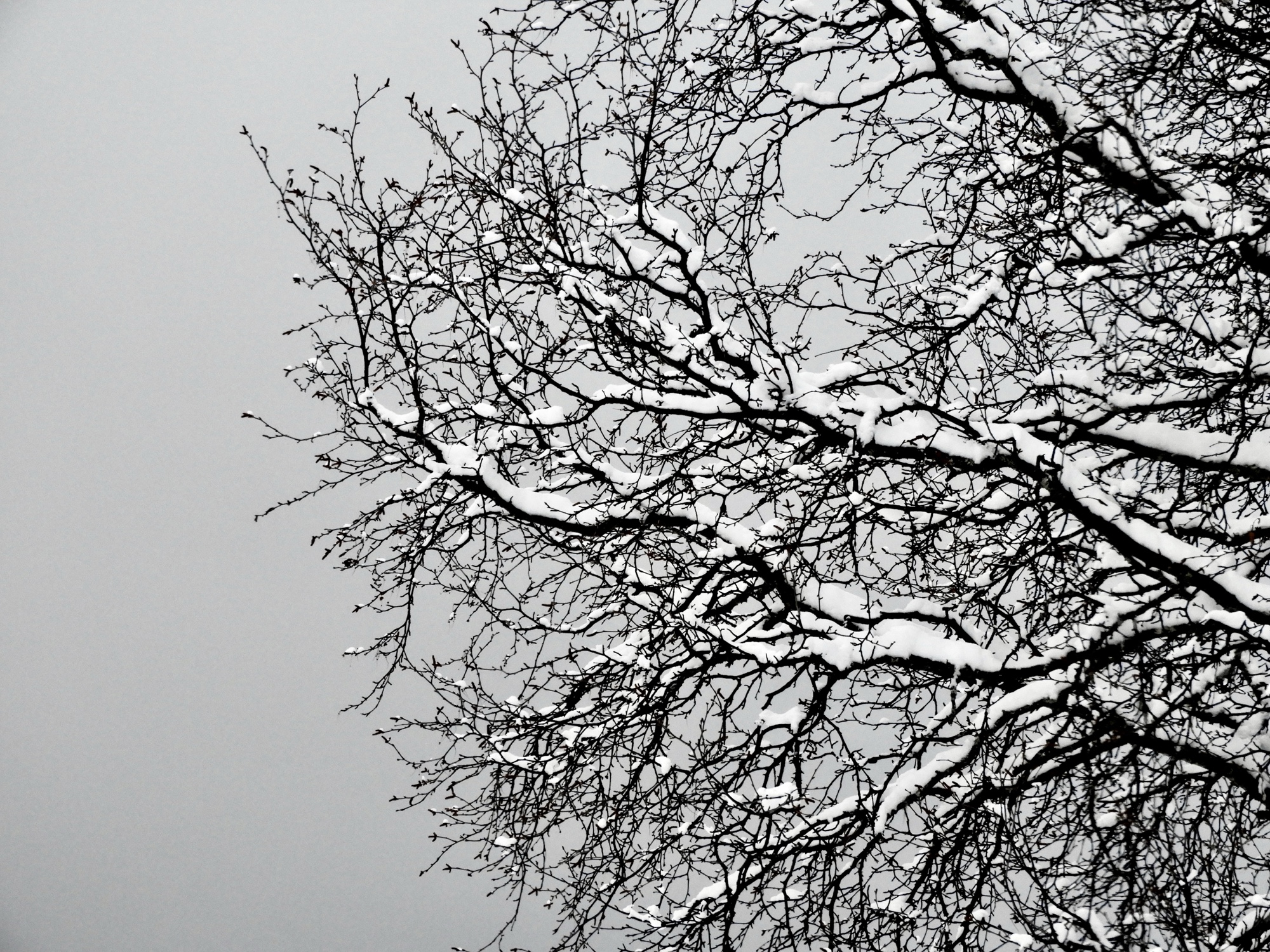
Another set of Alaska photos for you. The fog of depression is slowly lifting. Enjoy.


tara caribou | ©️2024 all photos by me using my Nikon camera, except Buddy photo with my poor excuse of a cell phone camera.
New Book – “Behind the Shadows” short stories by Ray Van Horn, Jr.

Raw Earth Ink is proud to present Ray Van Horn Jr.’s newest book, a collection of horror short stories, Behind the Shadows.
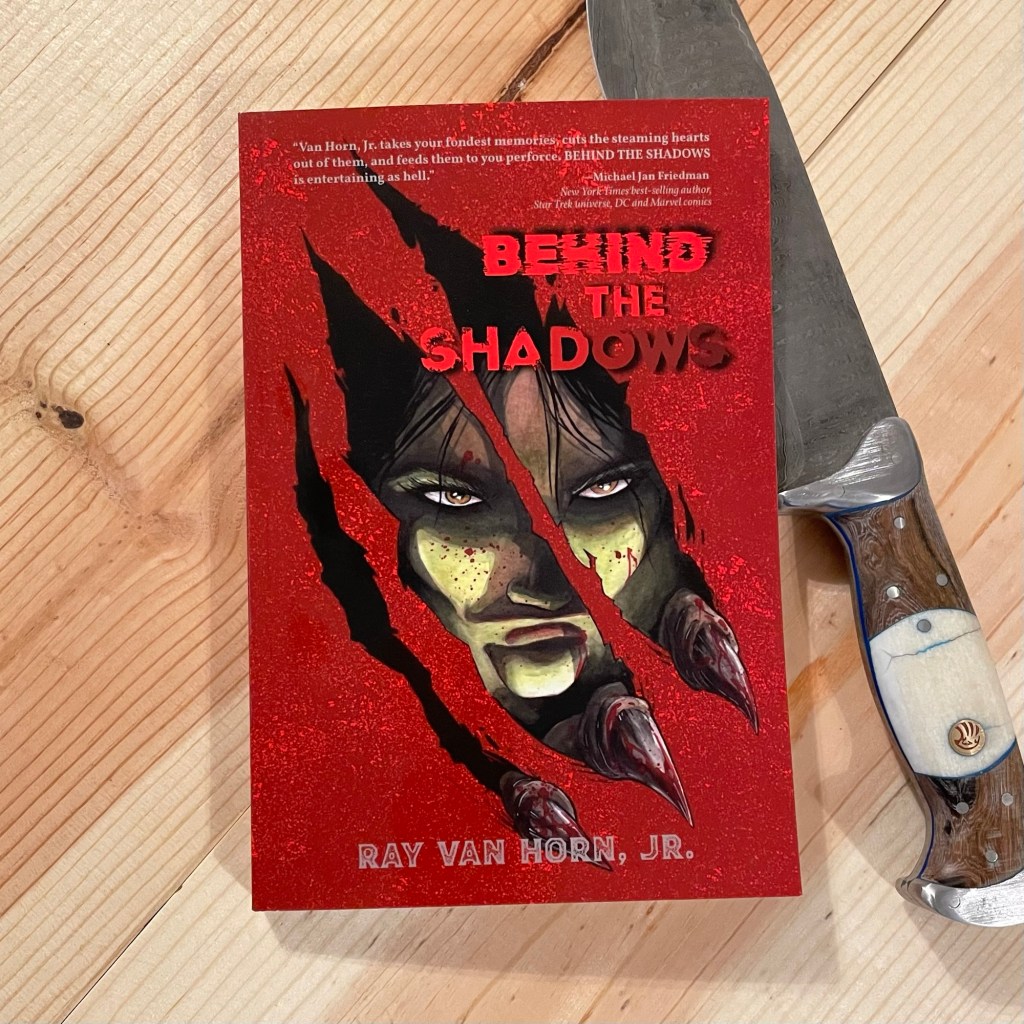
From the back: Conjuring ten haunting tales to bring a shiver down your spine, author Ray Van Horn, Jr. shares a mixtape blend reminiscent of EC Comics and 80’s horror: unsettling narratives to invade your dreams and keep you up at night.
“Ray Van Horn, Jr.’s obvious love for the movies, comics, and -yes- the horror fiction of the 1980s bleeds through every page of BEHIND THE SHADOWS. Ray’s got the good stuff here, folks.” —Dayton Ward, New York Times best-selling author, Star Trek universe
“Like the great EC Comics of yore, BEHIND THE SHADOWS is a hell of a horror anthology— literally! It’s gruesome, terrifying, and tinged with a punk attitude. What else do you need, and why are you still reading this testimonial? Buy this damn book!” —Josh Eiserike, author The Very Final Last Girls; Charm City; G.I. Joe: Renegades
“You wanna know what’s BEHIND THE SHADOWS? Ray Van Horn, Jr. is more than happy to show you. Fractured families and frothing creatures. Endless nights and pulsing darkness. It’s a nostalgic ride back to the horrors of your youth. Logic isn’t always logical, and the horrors don’t always end when the lights come on. But it’s a damn good time!” —John Boden, author Snarl and The Etiquette of Booby Traps

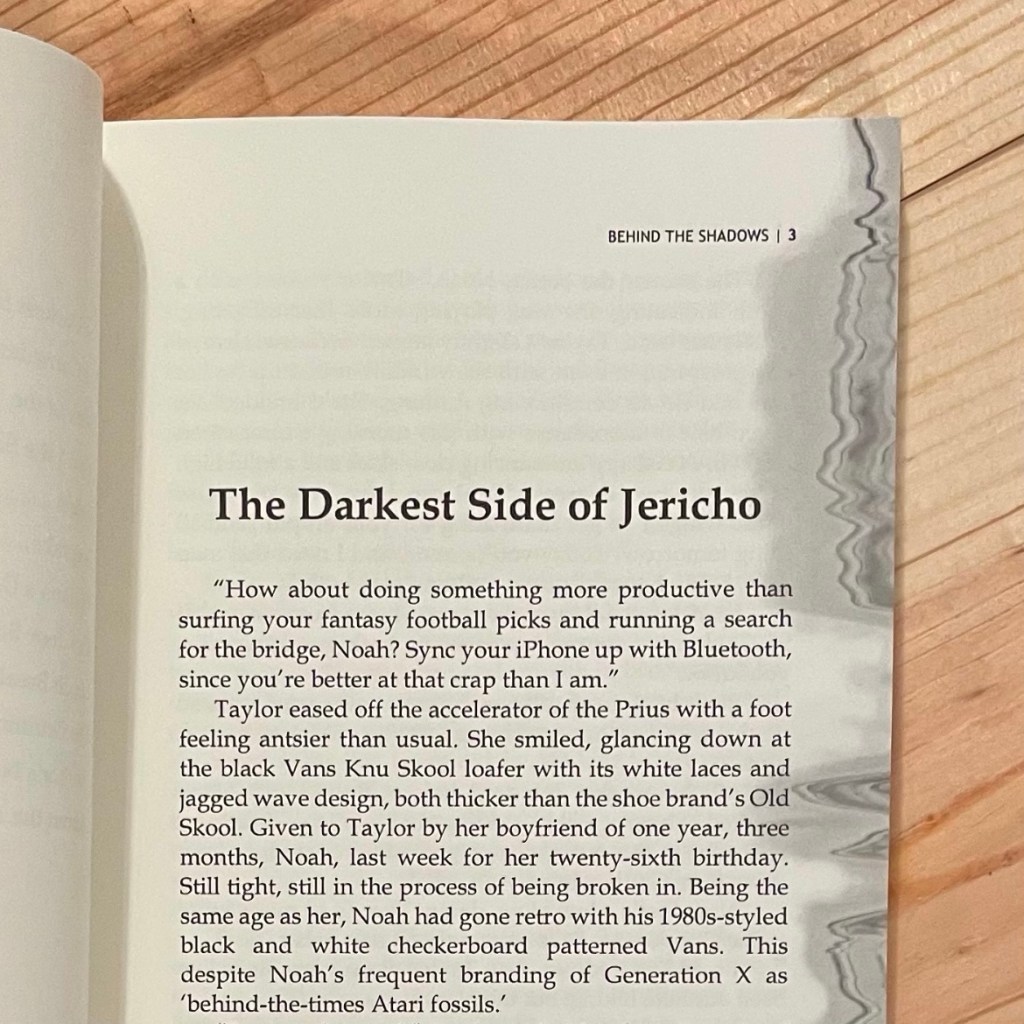

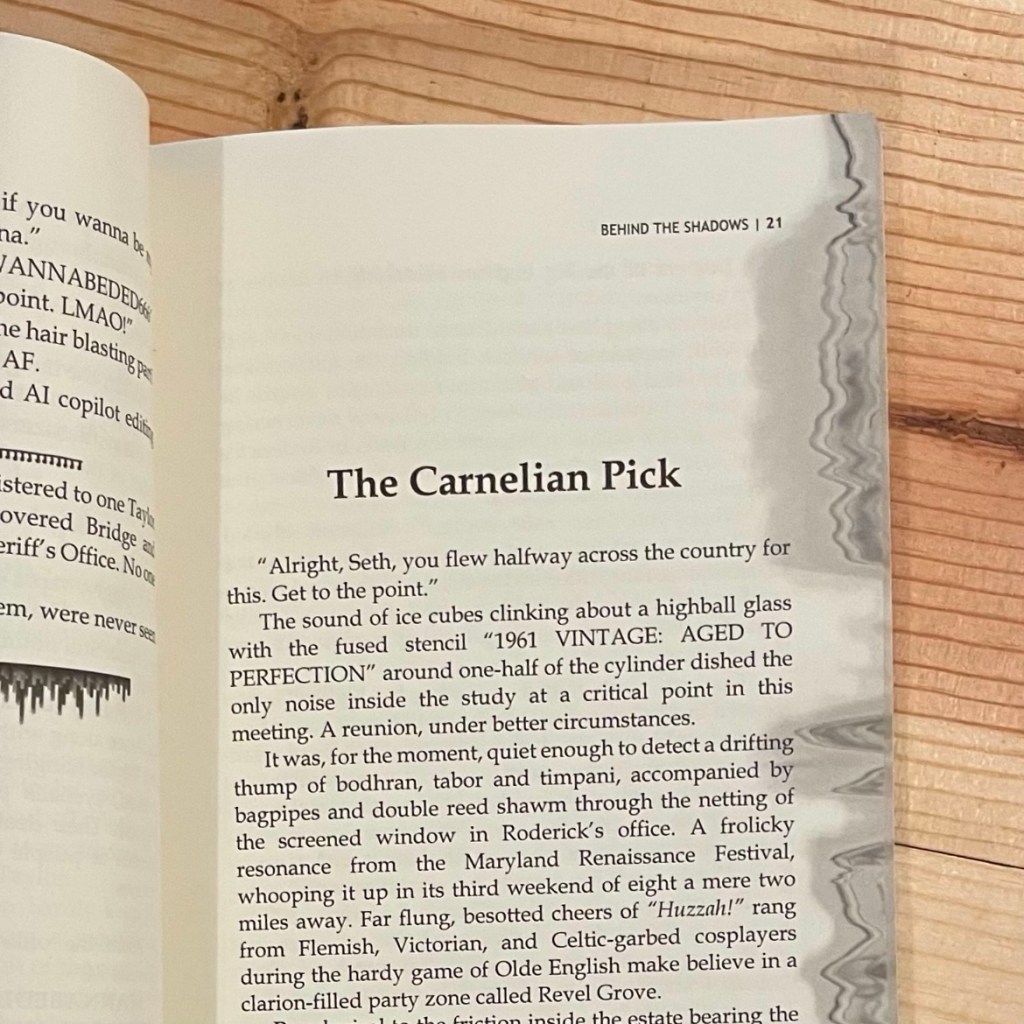
In paperback at: Lulu, Barnes & Noble, or Amazon.
As an eBook at: Kindle.
Leave a review on Goodreads.
©️2024 | Ray Van Horn, Jr.
Ray can be found at Roads Lesser Traveled
 Raw Earth Ink